

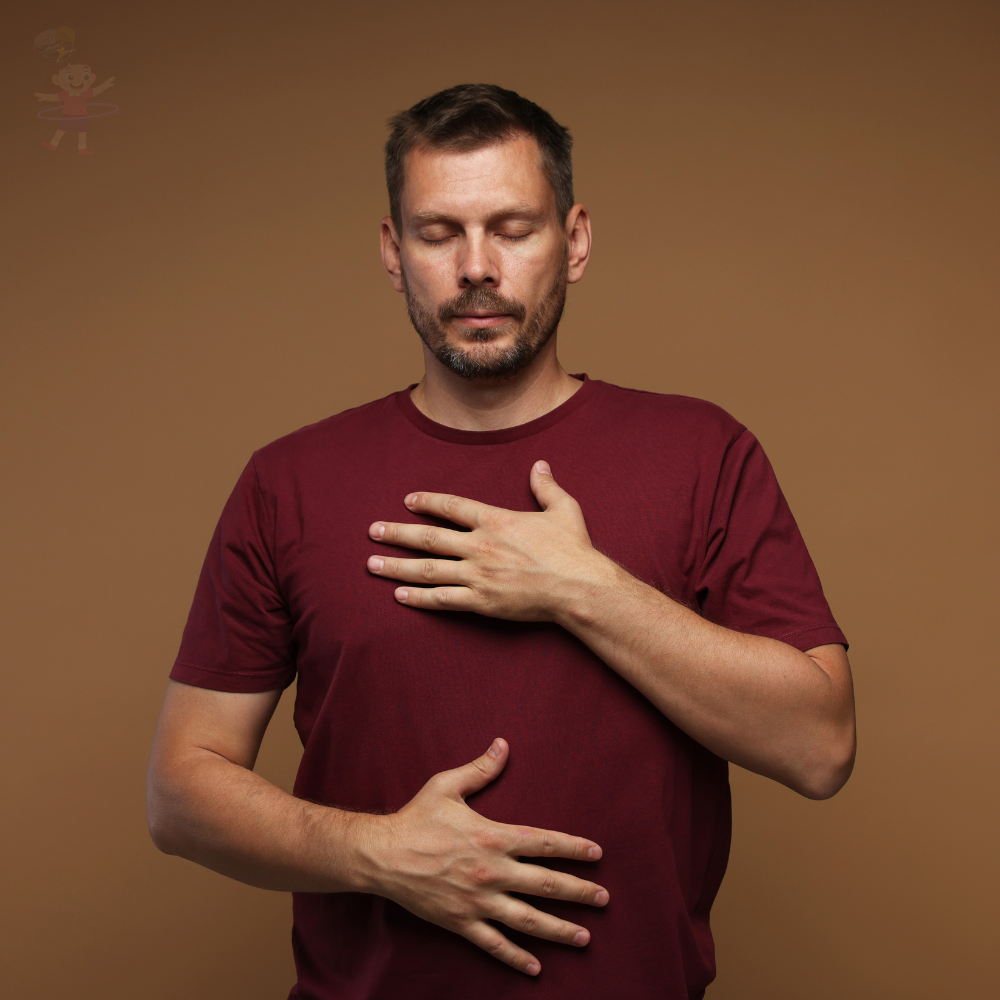
In an era where stress seems to be a constant companion, learning how to calm your nervous system naturally has become a necessity for many individuals. The domain name Natural Methods to Calm Your Nervous System speaks directly to the urgent need for holistic approaches that promote relaxation and well-being. This article will explore the importance of a balanced nervous system, common stressors, and a variety of natural methods to promote calmness, mindfulness, and overall mental health.
Understanding the Nervous System
The Basics of the Nervous System
The nervous system is a complex network of nerves and cells that transmit signals throughout the body. It consists of two main parts:
- Central Nervous System (CNS): This includes the brain and spinal cord. It processes information and controls responses.
- Peripheral Nervous System (PNS): This includes all other neural elements, such as sensory and motor neurons. It relays information between the CNS and the rest of the body.
Sympathetic vs. Parasympathetic Nervous System
The nervous system has two primary branches that play a crucial role in how we respond to stress:
- Sympathetic Nervous System (SNS): Often referred to as the “fight or flight” system, it prepares the body for quick action during stressful situations. This can lead to increased heart rate, rapid breathing, and heightened senses.
- Parasympathetic Nervous System (PNS): Known as the “rest and digest” system, it promotes relaxation and recovery. When the PNS is activated, it slows the heart rate, promotes digestion, and fosters a sense of calm.
The Importance of a Balanced Nervous System
A balanced nervous system is crucial for mental and physical well-being. Chronic activation of the sympathetic nervous system can lead to various health issues, including anxiety, depression, insomnia, and cardiovascular diseases. By calming the nervous system, we can enhance our overall quality of life and improve resilience against stress.
Common Stressors Affecting the Nervous System
Understanding the factors that stress the nervous system is essential for effective management. Some common stressors include:
- Work-related pressures: Deadlines, job insecurity, and workplace dynamics often create high-stress environments.
- Personal relationships: Conflicts and emotional turbulence in personal relationships can be significant stressors.
- Financial worries: Economic instability and financial pressures can lead to chronic stress and anxiety.
- Lifestyle factors: Poor diet, lack of exercise, and sleep deprivation can negatively affect the nervous system.
Natural Methods to Calm Your Nervous System
1. Mindfulness and Meditation
a. The Power of Mindfulness
Mindfulness is the practice of staying present and fully engaging with the current moment. It can lead to improved emotional regulation and decreased levels of stress.
b. Simple Mindfulness Techniques
- Breathing Exercises: Focus on your breath, inhaling deeply through your nose and exhaling through your mouth. Aim for a count of four on each inhale and exhale.
- Body Scan: Lie down comfortably and mentally scan your body from head to toe, noting areas of tension or discomfort. Release this tension with each exhale.
c. Guided Meditation
Using apps like Headspace or Calm can provide guided meditation sessions tailored for anxiety relief and relaxation.
2. Deep Breathing Techniques
a. Understanding Deep Breathing
Deep breathing helps activate the parasympathetic nervous system, promoting relaxation. This is particularly effective for combatting anxiety and stress.
b. Techniques to Try
- 4-7-8 Breathing: Inhale for four counts, hold for seven, and exhale for eight. Repeat this cycle four times to induce relaxation.
- Box Breathing: Inhale for four counts, hold for four, exhale for four, and hold for another four. This method can be particularly useful before stressful situations.
3. Physical Activity
a. The Importance of Movement
Regular physical activity has profound benefits for mental health, including the release of endorphins and the reduction of stress hormones like cortisol.
b. Types of Exercises to Calm the Nervous System
- Yoga: Combines physical postures with breath control, effectively soothing the nervous system. Practices like Hatha or restorative yoga are particularly calming.
- Walking or Jogging in Nature: Engaging in aerobic activities outdoors can enhance mood and reduce anxiety levels, thanks to the calming effects of nature.
4. Nutrition for Nervous System Health
a. The Connection Between Diet and Mental Health
Nutrition plays a vital role in brain and nervous system health. Certain foods can help stabilize mood and support overall nervous system function.
b. Foods to Include
- Leafy Greens: Spinach and kale are rich in folate, which may help combat depression.
- Fatty Fish: Salmon and sardines are high in omega-3 fatty acids, known for their anti-inflammatory properties and benefits for brain health.
- Fermented Foods: Foods like yogurt, sauerkraut, and kimchi promote gut health, which is closely linked to mental well-being.
c. Hydration
Dehydration can impact cognitive function and mood. Aim to drink adequate water throughout the day and limit sugary or caffeinated beverages.
5. Herbal Remedies
a. Nature’s Calming Aids
Several herbs are known for their calming effects and can be used to promote relaxation.
b. Common Herbs
- Chamomile: Known for its soothing properties, chamomile tea can help reduce anxiety and improve sleep quality.
- Lavender: Often used in essential oil form, lavender can reduce stress and promote relaxation.
- Ashwagandha: An adaptogenic herb that helps the body manage stress by reducing levels of cortisol.
6. Establish a Relaxing Routine
a. Creating a Calming Environment
A serene environment can significantly impact your nervous system. Establish routines that promote relaxation.
b. Tips for a Relaxing Space
- Calm Colors: Use soft, calming colors in your living space.
- Aromatherapy: Use essential oils, such as lavender or eucalyptus, in a diffuser to create a soothing atmosphere.
- Declutter Your Space: A tidy environment can help reduce anxiety and promote a sense of calm.
c. End-of-Day Rituals
Establishing a calming end-of-day routine can help signal to your body that it’s time to wind down. This could involve reading, gentle stretching, or sipping herbal tea.
7. Social Connections
a. The Role of Relationships in Well-Being
Strong social connections are vital for mental health. They provide support, reduce feelings of isolation, and contribute to overall well-being.
b. Tips for Strengthening Connections
- Reach Out: Make a point to connect with friends and family regularly, whether in person or through video calls.
- Join Groups: Engage in community activities or support groups focused on interests or shared experiences.
8. Limit Stimulants and Screen Time
a. Understanding Stimulants
Caffeine and sugar can lead to spikes in energy followed by crashes, which can increase anxiety and affect sleep. Limiting these can help stabilize mood.
b. Reducing Screen Time
Excessive screen time can overstimulate your nervous system, leading to increased anxiety. Try to:
- Set Boundaries: Limit screen time, especially before bed.
- Take Breaks: Integrate technology breaks throughout your day to allow your mind to rest.
9. Practice Gratitude
a. The Benefits of Gratitude
Practicing gratitude can shift focus from stress to positivity, enhancing overall mental health.
b. How to Practice Gratitude
- Gratitude Journal: Write down three things you are grateful for each day to cultivate a positive mindset.
- Gratitude Meditation: Spend a few minutes each day focusing on the people and experiences you appreciate.
10. Seek Professional Help
a. Recognizing When to Seek Help
While natural methods can be incredibly effective, sometimes professional support is necessary. A mental health professional can offer tailored strategies and therapies.
b. Available Therapies
- Cognitive Behavioral Therapy (CBT): A practical approach that helps individuals change negative thought patterns.
- Mindfulness-Based Stress Reduction (MBSR): A structured program that combines mindfulness meditation and yoga to reduce stress.
Conclusion
Caring for your nervous system is crucial in today’s fast-paced world. By incorporating natural methods to calm your nervous system—such as mindfulness, physical activity, nutrition, and strong social connections—you can foster a more balanced state of being, enhance your resilience, and improve your overall mental health.
Embracing these practices as part of your daily routine can empower you to navigate life’s challenges with grace and confidence. Ultimately, prioritizing your mental well-being through natural methods will improve your quality of life and cultivate a sense of peace in our increasingly chaotic world.