

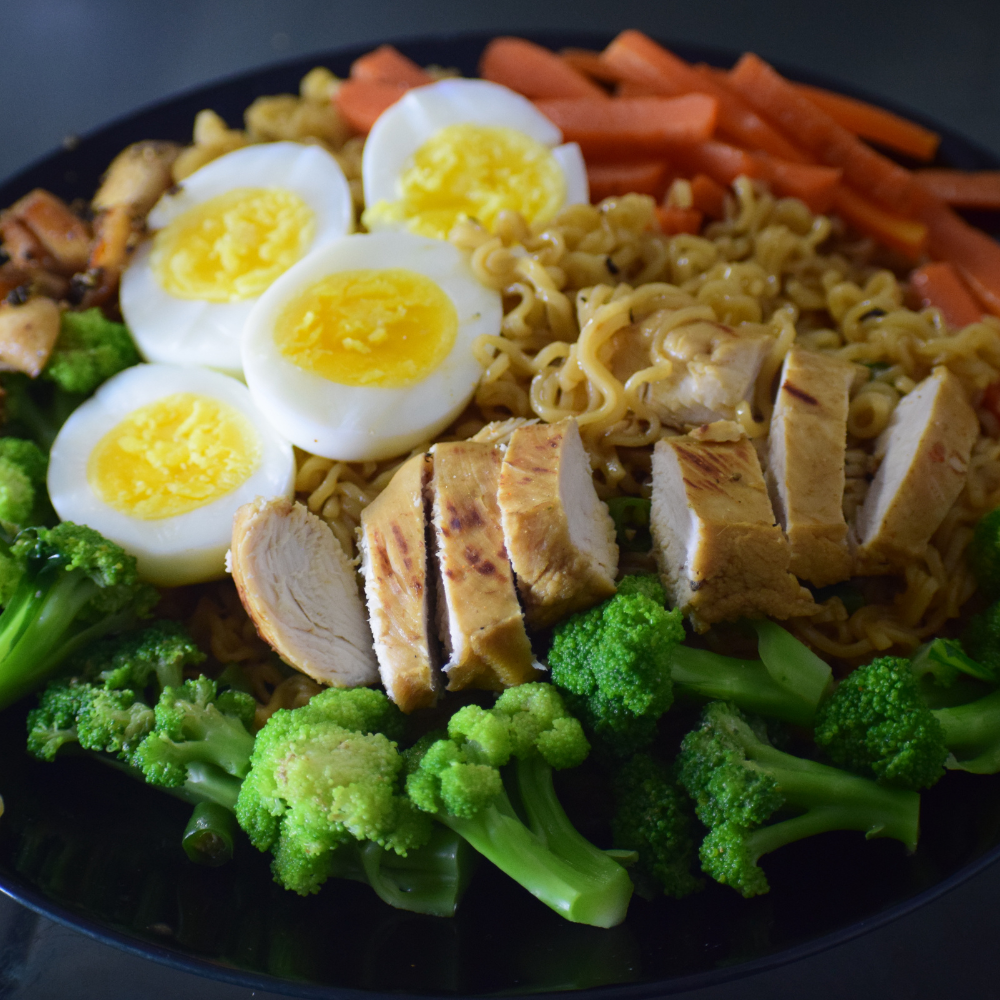
Eating a balanced diet is fundamental to maintaining good health and well-being. The concept of a “balanced plate” focuses on providing a variety of nutrients that your body needs to function optimally. With the rise of health awareness, understanding how to construct a balanced plate for every meal can significantly impact long-term health outcomes. This article will delve into the principles of creating balanced plates, the benefits of balanced eating, and practical strategies for incorporating this approach into everyday life.
Table of Contents
- Understanding Balanced Eating
- The Components of a Balanced Plate
- Benefits of a Balanced Plate
- How to Build a Balanced Plate
- Practical Tips for Meal Planning
- Examples of Balanced Plates for Every Meal
- Common Myths About Balanced Eating
- Maintaining Balance: Overcoming Common Challenges
- Conclusion
- Call to Action
Understanding Balanced Eating
Balanced eating involves consuming a variety of foods in the right proportions to provide the nutrients your body needs. This approach not only supports overall health but also prevents chronic diseases such as obesity, diabetes, and heart disease.
What Constitutes Balanced Eating?
- Variety: Incorporating different food groups and types ensures a wide range of nutrients.
- Moderation: Controlling portion sizes to prevent overconsumption.
- Nutrient Density: Opting for foods that provide the most nutrients per calorie.
The Components of a Balanced Plate
Creating a balanced plate involves understanding the basic food groups and their roles:
- Proteins (25% of your plate)
- Lean meats, poultry, fish, eggs, dairy, legumes, and nuts.
- Essential for muscle repair, immune function, and hormone production.
- Whole Grains (25% of your plate)
- Brown rice, quinoa, whole grain pasta, oats, and barley.
- Provide energy and fiber for digestive health.
- Fruits and Vegetables (50% of your plate)
- Aim for a colorful variety to ensure different vitamins and minerals.
- Crucial for vitamins, minerals, and antioxidants that support overall health.
- Healthy Fats (Added sparingly)
- Avocados, olive oil, nuts, and seeds.
- Important for hormone production, brain health, and nutrient absorption.
Benefits of a Balanced Plate
Improved Nutritional Intake
A balanced plate ensures that individuals receive essential nutrients necessary for various bodily functions, reducing deficiencies.
Weight Management
By focusing on portion sizes and nutrient density, individuals can maintain a healthy weight and reduce the risk of obesity.
Increased Energy Levels
Balanced meals provide sustained energy, improving productivity and mood throughout the day.
Enhanced Overall Health
Regularly consuming a balanced diet correlates with improved heart health, better digestion, and lower risk of chronic diseases.
How to Build a Balanced Plate
Step-by-Step Approach
- Choose Your Base
- Start with whole grains or starchy vegetables (e.g., quinoa, brown rice, or sweet potatoes).
- Add Protein
- Include a serving of lean protein to create a robust foundation (e.g., grilled chicken, chickpeas, or tofu).
- Fill Up on Produce
- Add a generous portion of fruits and vegetables. Aim for at least half of your meal to be vegetables, using colors for variety.
- Include Healthy Fats
- Drizzle olive oil, sprinkle nuts, or add avocado to your meal for healthy fats.
- Season Wisely
- Use herbs and spices to enhance flavors without adding unhealthy ingredients like excessive salt or sugar.
Practical Tips for Meal Planning
- Plan Ahead
- Dedicate time each week to plan meals, ensuring a variety of foods.
- Create a Grocery List
- Make a comprehensive grocery list based on your meal plan to avoid impulse purchases.
- Batch Cook
- Prepare larger portions of grains, proteins, and roasted vegetables to save time on busy weekdays.
- Use Visual Guides
- Tools like the USDA MyPlate can help visualize balanced meals.
Examples of Balanced Plates for Every Meal
Breakfast
- Oatmeal Bowl:
- Base: Rolled oats cooked in water or milk
- Add-ins: Sliced banana (fruit), a tablespoon of almond butter (healthy fat), topped with chia seeds (fiber).
Lunch
- Grain Bowl:
- Base: Quinoa
- Protein: Grilled chicken breast
- Vegetables: Mixed greens, cherry tomatoes, cucumber
- Toppings: Feta cheese and a drizzle of olive oil.
Dinner
- Stir-Fry:
- Base: Brown rice
- Protein: Tofu or shrimp
- Vegetables: Broccoli, bell peppers, and carrots
- Flavoring: Soy sauce and sesame oil.
Snacks
- Greek Yogurt Parfait:
- Greek yogurt (protein), mixed berries (fruit), and a sprinkle of granola (whole grains).
Common Myths About Balanced Eating
Myth 1: You Must Eliminate All Fats
Reality: Healthy fats are essential for brain function and should be included in moderation.
Myth 2: Protein is the Only Important Nutrient
Reality: While protein is important, a variety of nutrients from all food groups is critical for optimal health.
Myth 3: It’s Too Expensive to Eat Balanced
Reality: With careful planning and smart grocery shopping, balanced meals can be affordable.
Maintaining Balance: Overcoming Common Challenges
Lack of Time
- Solution: Meal prep on weekends, and embrace quick recipes that can be prepared in under 30 minutes.
Cravings
- Solution: Keep healthy snacks on hand and experiment with healthier versions of your favorite indulgent foods.
Eating Out
- Solution: Familiarize yourself with how to read menus for healthier options and practice portion control.
Conclusion
Building a balanced plate for every meal is essential for optimal health, well-being, and longevity. By understanding the components of a balanced meal and embracing the principles of variety, moderation, and nutrient density, you can improve your eating habits.
Call to Action
Ready to make a change? Start incorporating the balanced plate approach into your meals today. Share your journey on social media, connect with a community of health enthusiasts, and enjoy the benefits of a healthier lifestyle.