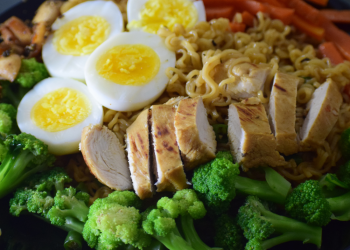


The domain name “10 Common Diet Mistakes People Always Make.health” reflects a critical issue that many individuals face in their pursuit of health and wellness. Understanding the common pitfalls in dieting is essential for anyone looking to improve their nutritional habits and achieve lasting results. This article will delve into these common mistakes and provide solutions to help readers develop healthier eating patterns.
Table of Contents
- Introduction
- Understanding Common Diet Mistakes
- Mistake 1: Skipping Meals
- Mistake 2: Over-restricting Caloric Intake
- Mistake 3: Relying on Processed Foods
- Mistake 4: Ignoring Portion Sizes
- Mistake 5: Neglecting Hydration
- Mistake 6: Focusing Solely on Weight Loss
- Mistake 7: Not Eating Enough Protein
- Mistake 8: Underestimating Snacking
- Mistake 9: Avoiding Whole Foods
- Mistake 10: Fad Dieting
- Conclusion
- Resources for Further Learning
1. Introduction
Dieting is often perceived as a straightforward way to lose weight and improve health. However, many people fall into common traps that hinder their progress. Recognizing these mistakes is crucial for creating a sustainable and effective dietary plan. This article aims to identify and analyze ten prevalent diet mistakes, offering solutions and tips to cultivate a healthier relationship with food.
2. Understanding Common Diet Mistakes
Many diet mistakes stem from misinformation, unrealistic expectations, and unhealthy habits. While there is no one-size-fits-all approach to dieting, understanding these errors can help individuals navigate their nutrition journeys more successfully.
3. Mistake 1: Skipping Meals
Overview:
Skipping meals, especially breakfast, is a common practice aimed at reducing caloric intake. However, this often backfires, leading to overeating later in the day.
Solution:
Encourage regular meal patterns that include balanced meals and snacks to maintain energy levels and control hunger.
4. Mistake 2: Over-restricting Caloric Intake
Overview:
Many individuals believe that drastically cutting calories will expedite weight loss. This approach can lead to nutrient deficiencies, decreased metabolism, and muscle loss.
Solution:
Promote a balanced, sustainable caloric deficit instead of extreme restrictions. Focus on nutrient-dense foods that support overall health while still achieving weight loss goals.
5. Mistake 3: Relying on Processed Foods
Overview:
Many dieters gravitate towards low-calorie or diet foods that are often highly processed and contain additives, preservatives, and unhealthy fats.
Solution:
Encourage the consumption of whole, unprocessed foods like fruits, vegetables, whole grains, and lean proteins to support health without the negatives associated with processed foods.
6. Mistake 4: Ignoring Portion Sizes
Overview:
Large portion sizes can lead to consuming more calories than necessary, even if the food is healthy. Not paying attention to serving sizes can sabotage weight loss efforts.
Solution:
Educate readers on understanding portion sizes and using measuring tools or visual cues to maintain appropriate servings.
7. Mistake 5: Neglecting Hydration
Overview:
Dehydration can often be mistaken for hunger, leading to unnecessary snacking. Many people overlook the importance of hydration in their daily diet.
Solution:
Promote the idea of drinking sufficient water throughout the day and suggest using strategies, such as carrying a water bottle or setting reminders, to stay hydrated.
8. Mistake 6: Focusing Solely on Weight Loss
Overview:
While weight loss is often a primary goal, focusing solely on the scale can lead to frustration and unhealthy behaviors.
Solution:
Encourage a holistic approach that includes monitoring other health markers, such as energy levels, mood, physical fitness, and overall well-being.
9. Mistake 7: Not Eating Enough Protein
Overview:
Protein is essential for muscle maintenance and satiety. Many diets fall short in this important macronutrient, which can lead to muscle loss and increased hunger.
Solution:
Advise readers to incorporate a variety of protein sources, such as lean meats, legumes, dairy, and plant-based proteins, into their diet.
10. Mistake 8: Underestimating Snacking
Overview:
Snacking can be an essential part of a healthy diet if done correctly. Many people ignore snacking or choose unhealthy options, which can derail a balanced diet.
Solution:
Encourage mindful snacking with nutrient-dense options, and suggest planning healthy snacks ahead of time to avoid poor choices.
11. Mistake 9: Avoiding Whole Foods
Overview:
Some dieters tend to eliminate entire food groups, often whole grains or healthy fats, based on misconceptions about their impact on weight loss.
Solution:
Inform readers of the benefits of whole foods, such as whole grains and healthy fats, which can provide necessary nutrients and support a well-rounded diet.
12. Mistake 10: Fad Dieting
Overview:
Fad diets promise quick fixes but often lead to unsustainable results and unhealthy eating patterns. They can also contribute to a negative body image and disordered eating.
Solution:
Encourage a balanced approach to eating that focuses on long-term habits rather than quick fixes. Education on nutrition fundamentals can empower individuals to make healthier choices.
13. Conclusion
Dieting doesn’t have to be complicated or misleading. By recognizing common mistakes and implementing practical solutions, individuals can create a healthier relationship with food that leads to lasting wellness. The journey to optimal health involves understanding one’s body, making informed choices, and embracing flexibility rather than rigid rules.
14. Resources for Further Learning
For those interested in deepening their understanding of nutrition and avoiding common diet mistakes, several resources can provide additional information:
- Books: “The Nutrition Handbook” by Dr. Yoni Freedhoff and “Intuitive Eating” by Evelyn Tribole and Elyse Resch
- Websites: The Academy of Nutrition and Dietetics and Mayo Clinic’s nutrition section
- Podcasts: Nutrition-focused podcasts like “The Nutrition Diva” and “The Rich Roll Podcast”
This comprehensive analysis of the ten common diet mistakes serves to educate and inspire readers on their journey to better health. By implementing the insights and solutions offered, individuals can create a more balanced, enjoyable, and healthy approach to eating that aligns with their lifestyle and goals.